
"Kafa Forest"
300 article(s) found

Ethiopian coffee introduces the world's best Arabian coffee shepherds found
Ethiopia is one of the major producers of Arabica coffee in Africa, producing the best Arabian coffee in the world. It is said that coffee was first discovered by shepherds in Essekafa, and the name of coffee evolved from Kafa, so Essex is still the hometown of coffee. The geographical environment of coffee production and processing is very suitable for coffee growth. Coffee is mainly cultivated.

Sidamo Lion King hand Chong parameters temperature grindability Powder / Water ratio recommended Flavor and taste description
For professional baristas, please follow the coffee workshop (Wechat official account cafe_style) Ethiopian name: Ethiopia location: East African Capital: Adis Abba Addis Ababa Religion: Christian main language: Amharic time Zone: GMT+3 Metrics: metric (Metric) currency: bill Birr (1 $20 birr) Agricultural products (Export): coffee, Flowers,

Ethiopian Coffee Story which brand of Ethiopian coffee beans is good
Professional coffee knowledge exchange more coffee bean information please follow the coffee workshop (Wechat official account cafe_style) Starbucks, which has been the king of the world in recent years. To become a well-known fashion brand, in order to arouse the recognition of more consumers with the power of consumption, Starbucks proposed a commitment to the producing area of caffeine (Commitment to Origins; referred to as CTO) in 2003, and promoted
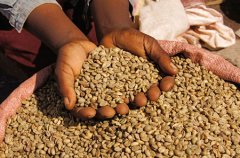
Ethiopian boutique coffee introduces Ethiopian boutique coffee to grow African Arabica coffee
Ethiopia is one of the major producers of Arabica coffee in Africa, producing the best Arabian coffee in the world. It is said that coffee was first discovered by shepherds in Essekafa, and the name of coffee evolved from Kafa, so Essex is still the hometown of coffee. The geographical environment of coffee production and processing is very suitable for coffee growth. Coffee is mainly cultivated.

African coffee producing area with charming fruit acids and washed and sun-dried coffee beans of producing area
African coffee flavor characteristics: charming fruit acid as the birthplace of coffee, African coffee in the entire coffee industry in a pivotal position. Although coffee has been commercially grown worldwide for hundreds of years, Africa's vast number of wild coffee varieties remain the greatest treasure trove of coffee researchers today. African coffee is generally characterized by intense aroma and charm

Coffee Lim producing area of Ethiopia
At 1200-1900 meters above sea level, the average planting height in this area is significantly lower than that in other areas, but there is still fine coffee. Lim producing area is located in the southwest of the capital, and Gemma can be reached further south. Both belong to the Kafa Forest, north of Lim and south of Gemma. Lim is mostly washed with water beans, orange fragrance is strong, sour and lively, the flavor is similar to water washing Yega Xuefei. Lim also has a small amount of coffee.
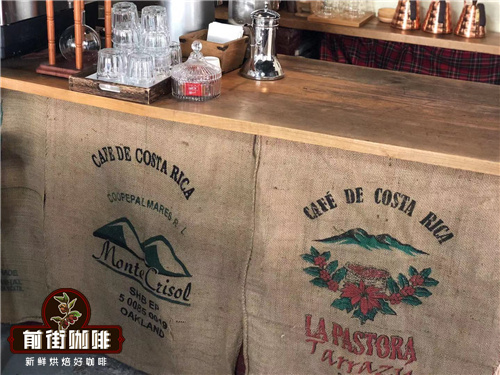
The characteristics and Flavor of Ethiopian Coffee beans the Origin and Story of Yegashifi and Sidamo Coffee
Professional coffee knowledge exchange more coffee bean information Please follow Coffee Workshop (official Wechat account cafe_style) Coffee birthplace Ethiopia is located in East Africa, and there are as many as 5,000 wild coffee bean varieties found in the forest in the southern Kaffa region alone. It is generally believed that Ethiopia is the source of coffee

Coffee culture | what coffee producing areas are there in Ethiopia?
Professional coffee knowledge exchange more coffee bean information please follow the coffee workshop (Wechat official account cafe_style) Ethiopia is divided by the East African Rift Valley into the east and west half, each evolved. The producing areas to the west of the Great Rift Valley include Tana Lake Zigg, Kinby, Lekanti, Iruba, Lime, and Jinma, Penga, Ironhide and Bekaa of the Kafa Forest. The eastern half of the producing area

Coffee bean producing area Ethiopian coffee Lim producing area
At 1200-1900 meters above sea level, the average planting height in this area is significantly lower than that in other areas, but there is still fine coffee. Lim producing area is located in the southwest of the capital, and Gemma can be reached further south. Both belong to the Kafa Forest, north of Lim and south of Gemma. Lim is mostly washed with water beans, orange fragrance is strong, sour and lively, the flavor is similar to water washing Yega Xuefei. Lim also has a small amount of coffee.

The Origin of Arabica Coffee beans in Africa an introduction to the Flavor characteristics of boutique Coffee Bean producing areas in Ethiopia
Ethiopia is one of the major producers of Arabica coffee in Africa, producing the best Arabian coffee in the world. It is said that coffee was first discovered by shepherds in Essekafa, and the name of coffee evolved from Kafa, so Essex is still the hometown of coffee. The production and processing of coffee in Ethiopia

Coffee Lim producing area uses coffee powder coffee trading network
At 1200-1900 meters above sea level, the average planting height in this area is significantly lower than that in other areas, but there is still fine coffee. Lim producing area is located in the southwest of the capital, and Gemma can be reached further south. Both belong to the Kafa Forest, north of Lim and south of Gemma. Lim is mostly washed with water beans, orange fragrance is strong, sour and lively, the flavor is similar to water washing Yega Xuefei. Lim also has a small amount.

Panama Janson Coffee Farm Jensen Coffee Farm introduces Rosa Coffee Flavor
Professional coffee knowledge exchange more coffee bean information please follow the coffee workshop (Wechat official account cafe_style) the variety of geisha coffee beans comes from Ethiopia. Although geisha coffee beans have been developed in Panama, but after the supervision of experts, the varieties of geisha coffee beans actually come from Ethiopia's coffee gene treasure house-Kafa Forest, to be exact, it is an art in the southwest of Ethiopia.

Flavor characteristics of Coffee Lim producing area of Saifeng Coffee
The coffee Lim producing area of Ethiopia is 1200-1900 meters above sea level, and the average planting height in this area is significantly lower than that in other areas, but there is still high-quality coffee. Lim producing area is located in the southwest of the capital, and Gemma can be reached further south. Both belong to the Kafa Forest, north of Lim and south of Gemma. Lim is mostly washed with water beans, orange fragrance is strong, sour and lively, the flavor is similar to water washing.

Introduction of Coffee Bean producing area in Coffee Lim area of Ethiopia
At 1200-1900 meters above sea level, the average planting height in this area is significantly lower than that in other areas, but there is still fine coffee. Lim producing area is located in the southwest of the capital, and Gemma can be reached further south. Both belong to the Kafa Forest, north of Lim and south of Gemma. Lim is mostly washed with water beans, orange fragrance is strong, sour and lively, the flavor is similar to water washing Yega Xuefei. Lim also has a small amount of coffee.
Introduction to Ethiopian Coffee
Ethiopia is one of the major producers of Arabica coffee in Africa, producing the best Arabian coffee in the world. It is said that coffee was first discovered by shepherds in Essekafa, and the name of coffee evolved from Kafa, so Essex is still the hometown of coffee. The geographical environment of coffee production and processing is very suitable for coffee growth. Coffee is mainly cultivated.

Guangzhou Brista Coffee College how to report to Guangzhou Coffee training School Coffee training course
Professional coffee knowledge exchange more coffee bean information please follow the coffee workshop (Wechat official account cafe_style) Brista Coffee College is the only professional training institution directly under the China Special Coffee Association (SCAC), and it is also the earliest one to carry out coffee professional training in China. The training program of the college is to meet the needs of coffee professionals in various places.

Other Ethiopian coffee producing areas
Tiebi and Beibei Card: Tiebi's altitude is 1,000 ~ 1,900 meters, Beibei Card is 900~ 1,200 meters. The second zone is located at the edge of the Kafa Forest and is the coffee producing area with the lowest average altitude in Ethiopia. It is dominated by bulk commercial beans or formula beans. There is also a lot of wild coffee in Tibby. Coffee in this area is less used as boutique or single-serve beans. Kimby and Lekamp Land: Rim heading northwest, but

Types of bean grinders for fine coffee in other Ethiopian coffee producing areas
Iron ratio to Bebeca: the iron ratio is 1000 to 1900 meters above sea level and 900 to 1200 meters above sea level. Located on the edge of the Kafa forest, these two areas are the lowest coffee-producing areas in Ethiopia, dominated by bulk commercial beans or formula beans. Tiebi also has a lot of wild coffee. Coffee in this area is seldom used as boutique or single bean. Kinby and Lekampi: Lim is heading northwest, but

Geisha coffee is from Ethiopia? Coffee flavor of Jhala Miyou Manor in Panama
Professional coffee knowledge exchange more coffee bean information please follow the coffee workshop (Wechat official account cafe_style) Panamanian coffee geisha from Ethiopia? The variety of geisha mainly comes from the Kafa forest, known as the treasure house of coffee genes, the exact location is Gesha Moutain in southwestern Ethiopia, close to the border of Sudan, up to 1700 above sea level